Wearable Technology and the Future of Health
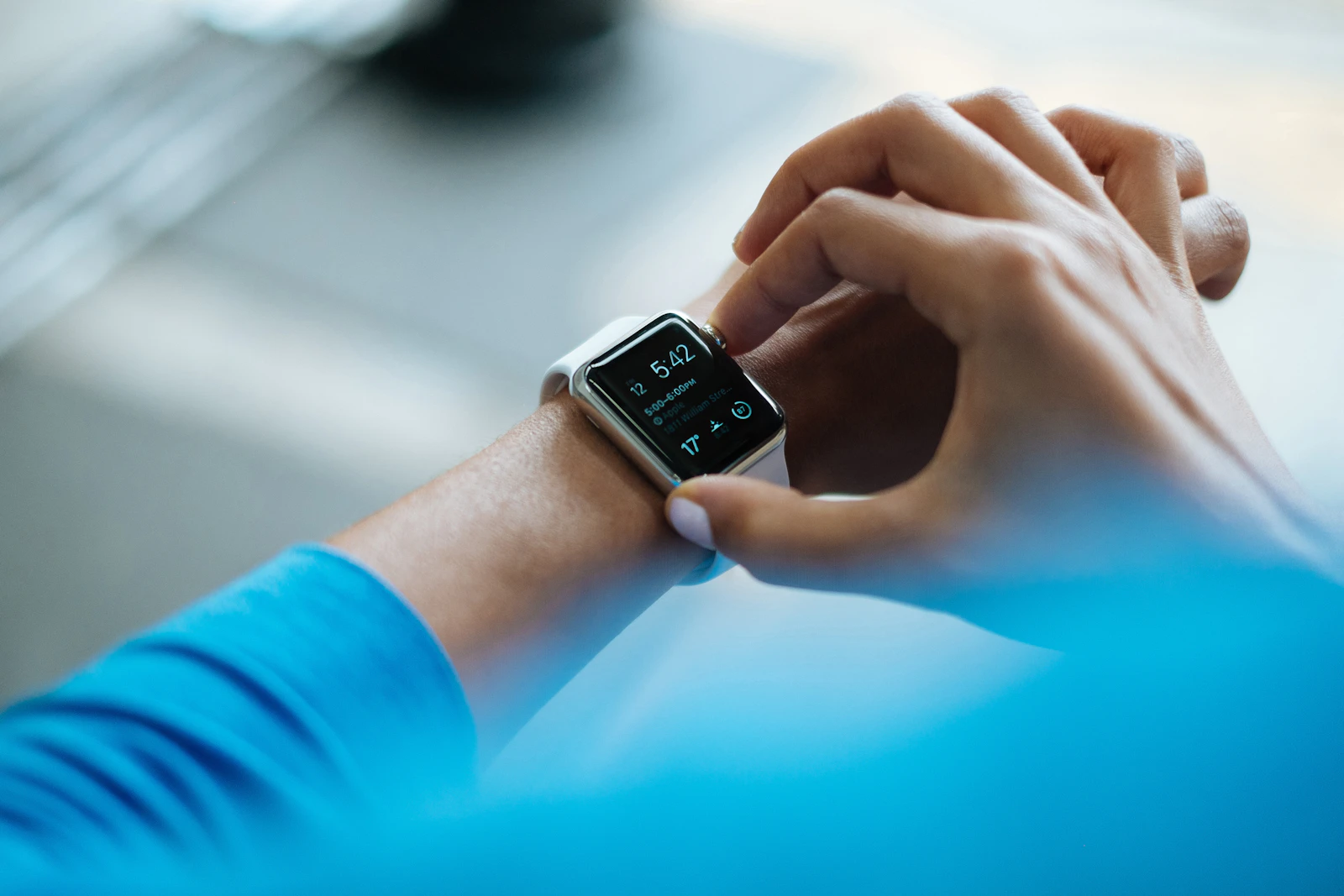
A health tracker on every wrist
Not long ago, measuring your heart rate meant a finger on the wrist and a clock. Today, tens of millions of people wear devices that track their heartbeat continuously, monitor their sleep, count their steps, and estimate everything from stress to oxygen levels. Wearable technology has quietly turned the human body into a source of constant data, and it is changing how ordinary people think about their health.
The promise is appealing: catch problems earlier, understand your own patterns, and take charge of your wellbeing. But wearables also come with real limits and genuine questions. Getting the balance right means knowing what these devices do well, what they cannot do, and how to interpret what they tell you.
What wearables can measure
Modern wearables pack a surprising array of sensors into a small package on your wrist or finger. From these, they estimate a growing list of health signals.
- Heart rate and its variability, useful for fitness and stress insights
- Physical activity — steps, distance, workouts, and calories burned
- Sleep duration and stages, giving a rough picture of rest quality
- Blood oxygen levels and, on some devices, irregular heart rhythms
- Trends over time, which are often more meaningful than any single reading
The real value often lies not in any one number but in the trend. A single night of poor sleep means little; a steady decline over weeks might prompt a helpful change in habits or a conversation with a doctor.
From tracking to early warning
The most exciting development is the shift from passive tracking to active alerting. Some wearables can now notice signs of an irregular heart rhythm and prompt the wearer to seek medical advice. There are documented cases of people learning about a serious heart condition because a watch flagged something unusual, leading them to care they would otherwise have delayed.
This early-warning role, used sensibly, is where wearables may do the most good. They cannot replace a proper examination, but by nudging someone to get checked, they can help catch issues sooner, when they are easier to treat.
It is worth being precise about what this early-warning role really is. A wearable does not diagnose a condition; it notices that something has changed and suggests you look into it. That distinction matters. The device's job is to lower the barrier to seeking help — to turn a vague sense of being a bit off into a concrete prompt such as noticing that your watch has flagged an unusual rhythm for three days, so you should get it checked. For conditions where early treatment makes a real difference, that nudge can be genuinely valuable.
At the same time, this strength can become a weakness if misread. A prompt to see a doctor is an invitation to gather more information, not a verdict. The right response to an alert is to note it, watch whether it persists, and consult a professional who can perform a proper assessment. Treated as a starting point for a conversation with a clinician, rather than as a diagnosis in itself, the early-warning feature is one of the most useful things a wearable offers.
The important limits
It is vital to remember that consumer wearables are not medical instruments. Their readings are estimates, and while often good enough to reveal trends, they can be inaccurate for any single measurement. Skin tone, fit, movement, and other factors can all affect the numbers. Treating a wearable's reading as a clinical diagnosis is a mistake.
There is also a risk of anxiety. Constant streams of health data can make some people worry over normal fluctuations, or chase perfect numbers in ways that harm rather than help. For a few, the healthiest choice is to check the data less, not more. These devices are tools for awareness, not verdicts on your worth or your future.
Privacy and your body's data
Health data is among the most sensitive information there is, and wearables collect it continuously. It is worth asking where that data goes, who can see it, and how it might be used. Some of this information could, in the wrong hands, affect insurance, employment, or privacy in ways that are hard to predict.
Reading the privacy settings, understanding what is shared, and choosing devices from companies with clear, trustworthy policies are sensible steps. The convenience of tracking should not come at the cost of quietly surrendering the most personal data you have.
Using wearables well
Used wisely, wearable technology can be a genuinely helpful companion. It can motivate more movement, reveal patterns in your sleep, and occasionally catch a warning sign worth acting on. The key is to treat it as a source of useful hints rather than medical truth, to focus on long-term trends rather than obsess over daily figures, and to bring anything concerning to a real healthcare professional.
The future of these devices is likely to bring more sensors and smarter insights, blurring the line between gadget and medical tool. That makes the sensible habits all the more important. Approached with a healthy dose of perspective, a device on your wrist can support your wellbeing without ruling your life.